
Commemorative Landscape Architecture: Engineering Outdoor Sanctuaries …

 Lenore
2026-11-15 23:11
4
0
본문
# Commemorative Landscape Architecture: Engineering Outdoor Sanctuaries With Rainbow Bridge Memorial Stones
## Executive Summary (BLUF)
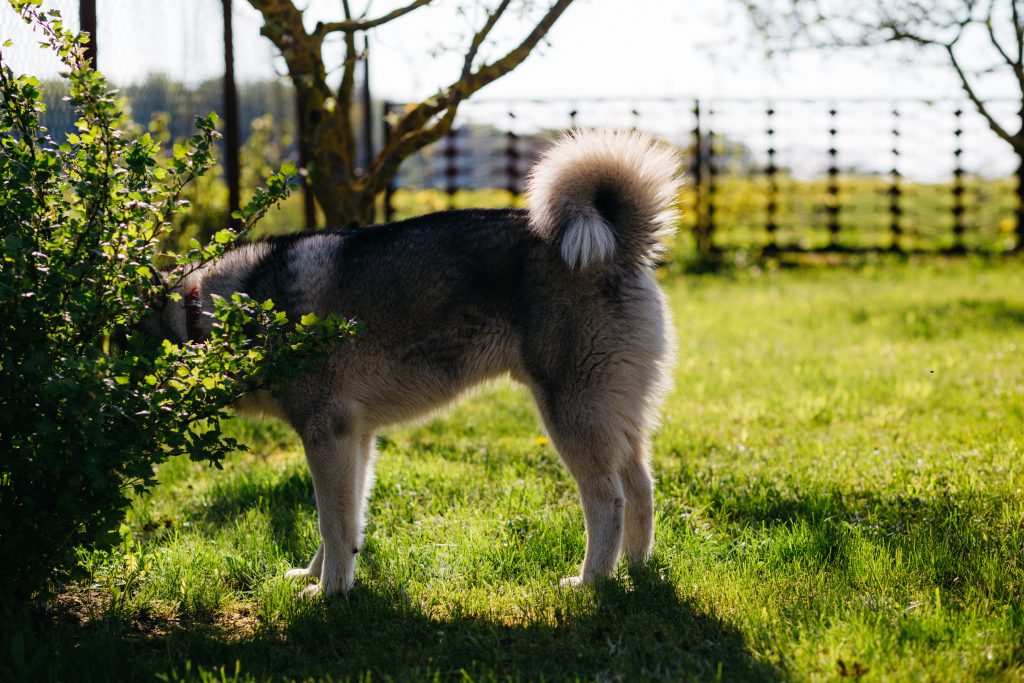 The loss of a companion animal represents a profound emotional inflection point, prompting a growing requirement for enduring exterior tribute installations. Traditional pet markers historically suffered from premature surface degradation, biological colonization, and mechanical displacement caused by seasonal frost heave. Modern commemorative landscape architecture addresses these vulnerabilities by integrating geotechnical sub-base engineering with archival petrological selections. Installing precision-engineered sympathy gifts for grieving dog and cat owners allows property owners to construct dedicated sanctuary zones that withstand extreme meteorological cycles while offering a permanent physical locus for emotional closure. Unifying crystalline mineral substrates, non-destructive laser micro-ablation, fluoropolymer contrast infills, and systematic site hydrological planning ensures commemorative sanctuaries preserve personal legacies across decades without material failure.
## Biophilic Design and the Psychology of Companion Animal Commemoration
Companion animals serve vital roles in emotional regulation, stress mitigation, and familial stability. When an animal dies, bereavement mirrors the grief experienced during human familial loss, yet it frequently suffers from societal disenfranchisement. In clinical grief therapy, establishing a tangible exterior sanctuary provides an externalized mourning anchor, enabling individuals to engage in ritualized remembrance. Biophilic design principles demonstrate that humans possess an innate affinity for living natural systems. Integrating a stone marker within an intentional vegetative landscape bridges raw emotional grief with restorative natural regeneration.
The Rainbow Bridge concept represents an idyllic threshold where deceased animals regain vitality before reuniting with their caretakers. Translating this sentiment into landscape elements requires balancing organic flora and enduring lithic markers. When placed within an outdoor perimeter, an inscribed stone establishes a dedicated space for reflection.
Emotional intentions must align with material permanence. Placing a porous cast marker directly upon turf leads to rapid degradation within two to three years. Moisture infiltration, solar photolysis, and acidic microbes erode inscriptions. Sound commemorative design requires a rigorous technical approach toward mineral selection and site preparation.
## Petrological Substrates: Geochemical Suitability for Long-Term Outdoor Exposure
The longevity of an outdoor commemorative installation is dictated by the petrological characteristics of the mineral substrate. Natural stones exhibit vastly different geochemical behaviors when exposed to cyclical precipitation, solar ultraviolet radiation, and thermal extremes.
### High-Density Plutonic Granite
Plutonic igneous granite, characterized by high concentrations of crystalline quartz and orthoclase feldspar, represents the benchmark substrate for exterior monuments. The interlocked mineral matrix yields a bulk density exceeding two thousand six hundred kilograms per cubic meter and an exceptionally low water absorption coefficient below zero point two percent by weight. Because water cannot readily penetrate the crystalline lattice, granite remains immune to freeze-thaw spalling, hydraulic micro-fracturing, and subterranean salt efflorescence. Absolute black granite varieties offer an optimal dark optical background for high-contrast micro-ablation laser engraving.
### Metamorphic Foliated Slate
Metamorphic slate formed through regional metamorphism of clay-rich sedimentary shale provides an authentic, rustic aesthetic well-suited for woodland gardens and naturalized borders. Slate possesses distinct parallel cleavage planes, permitting it to be split into structurally sound slabs. Sourcing premium architectural slate with minimal calcite inclusions is essential to avoid chemical chalking caused by acidic rainfall.
### River Basalt and Cobblestone Fieldstones
Naturally tumbled basalt river stones offer rounded contours that blend into rockeries, bioswales, and gravel pathways. Basalt is an extrusive igneous rock possessing exceptional compressive strength and abrasion resistance. Its fine-grained structure facilitates crisp mechanical sand-carving and fiber laser marking across undulating natural geometries.
```
+-----------------------------------------------------------------------------+
| OUTDOOR COMMEMORATIVE SANCTUARY ARCHITECTURE |
+-----------------------------------------------------------------------------+
| Level 4: Vegetative Canopy & Microclimate (Ferns, Hostas, Shade Trees) |
| Level 3: Archival Lithic Substrate (Granite / Slate Marker with Laser Etch)|
| Level 2: Cushion Course (1 Inch Coarse Washed Masonry Sand Bed) |
| Level 1: Geotechnical Base (4 to 6 Inches Compacted Crushed Aggregate) |
| Level 0: Undisturbed Subsoil Foundation + Non-Woven Geotextile Membrane |
+-----------------------------------------------------------------------------+
```
## Strategic Frameworks and Architectural Breakdown
Achieving permanence in an exterior pet memorial installation requires evaluating the installation as a geotechnical foundation system. The surrounding soil, water drainage dynamics, vegetative shade cover, and mechanical mounting interact continuously with the commemorative stone.
### Geotechnical Sub-Base Preparation
Direct ground contact exposes stone to moisture migration and soil movement. In cold regions, frost heave represents the primary structural hazard. Freezing moisture generates hydrostatic pressures that heave unanchored stones off balance, while spring thawing causes uneven settlement.
Proper engineering dictates excavating six to eight inches below finished grade. A layer of non-woven polypropylene geotextile fabric lines the excavation to prevent native soil fines from migrating upward into the aggregate reservoir. The base is constructed using four to six inches of angular, crushed stone aggregate, compacted in two-inch lifts using a mechanical tamper. A one-inch bedding course of coarse washed concrete sand is struck smooth over the compacted base. The stone marker is set upon this stable, free-draining sand cushion, ensuring water sheds rapidly away from the lower face of the stone.
### Optical Laser Micro-Ablation and Infill Chemistry
The inscription of text, epitaphs, dates, and photographic portraits onto natural stone requires extreme surface precision. Traditional mechanical impact rotary chiseling removes material through macroscopic chipping, which can induce micro-cracks that propagate over time. Modern production utilizes computer-numerical-control (CNC) carbon dioxide and fiber laser systems operating at high beam pulse frequencies.
The high-energy photon beam instantly vaporizes localized quartz crystals and mineral inclusions, creating microscopic pits that alter the light refraction index of the stone. To ensure decades of optical contrast against ambient sunlight and precipitation, high-grade memorial producers apply fluoropolymer or acrylic enamel infill compounds formulated specifically for masonry. These penetrating pigment formulations chemically cross-link within the ablated cavities, repelling rainwater and preventing microscopic algae spores from obscuring the artwork.
## Comparative Matrix: Legacy Execution vs Modern Practice
| Engineering Attribute | Legacy Informal Memorial Placement | Modern Commemorative Architecture |
| :--- | :--- | :--- |
| Substrate Selection | Porous cast resin, plaster, or unsealed limestone | Crystalline absolute black granite or vitrified slate |
| Base Foundation | Placed directly on topsoil or grass turf | Multi-tier compacted aggregate base with geotextile separation |
| Surface Engraving | Hand-painted lettering or shallow mechanical engraving | CNC laser micro-ablation with pigmented fluoropolymer seal |
| Frost-Heave Resistance | Vulnerable to tilting, sinking, and ground shear | Deep-drained aggregate cushion neutralizes frost lenses |
| Biological Colonization | Rapid lichen, algae, and mold fouling within two years | Hydrophobic silane sealing prevents moisture and spore adherence |
| Maintenance Overhead | High; frequent chemical scrubbing and re-leveling required | Low; annual soft rinsing with neutral deionized water |
| Structural Lifespan | Two to five years before visible aesthetic failure | Fifty to one hundred years with pristine legibility |
## Governance, Best Practices, and Compliance Controls
Designing and placing outdoor companion animal tributes requires adhering to residential property controls, environmental stewardship protocols, and practical longevity standards:
1. Residential Property Setback Compliance: Ensure that outdoor memorial installations respect local municipal ordinances, property boundary setbacks, and utility easements. Contact local subsurface utility locating services before excavating foundation trenches to prevent damaging shallow irrigation or electrical lines.
2. Ecological Chemical Safety: When sealing stone surfaces or cleansing lichen accumulation, utilize eco-neutral, biodegradable agents. Avoid harsh chlorinated bleaches or acidic washes that could leach toxic residues into garden soils, damaging companion plantings or harming visiting household animals.
3. Optical Contrast Maintenance: Regularly inspect the engraved text and artwork during diverse lighting conditions. Stones placed under dense tree canopies can collect decomposing organic leaf tannins that discolor unsealed stone pores. Applying a semi-annual wash using neutral pH surfactants prevents long-term mineral staining.
4. Foundation Inspection and Drainage Auditing: Verify twice annually—following the winter thaw and the late autumn rainy season—that the aggregate foundation continues to shed surface stormwater efficiently, preventing standing water pooling around the stone base.
## Implementation Roadmap
Constructing a dedicated pet memorial landscape sanctuary requires a methodical four-phase development lifecycle spanning site planning through generational stewardship:
### Phase 1: Sanctuary Site Selection and Feasibility Analysis (Weeks 1 to 2)
- Survey domestic outdoor areas to locate a tranquil, low-traffic zone protected from heavy lawnmowing equipment and aggressive surface roots.
- Assess microclimate exposure, evaluating the balance of direct sunlight, seasonal canopy shade, and natural stormwater runoff pathways.
- Review local municipal guidelines regarding companion animal memorial markers and residential burial permissions.
- Establish desired thematic parameters, including commemorative wording, photographic inclusion, and complementary vegetative boundaries.
### Phase 2: Material Specification and Custom Manufacturing (Weeks 3 to 4)
- Select the lithic substrate based on regional weather patterns, prioritizing absolute black granite for freeze-thaw climates or metamorphic slate for naturalized garden borders.
- Finalize the epitaph, typography, graphic borders, and personalized imagery using vector-compliant design software.
- Execute precision laser engraving with calibrated energy densities to maximize pit depth while minimizing thermal micro-fissuring.
- Apply high-durability, weather-resistant optical contrast pigments and hydrophobic protective sealants to the freshly engraved surface.
### Phase 3: Foundation Engineering and Marker Installation (Weeks 5 to 6)
- Excavate the memorial footprint to a minimum depth of six inches, extending three inches beyond the stone perimeter on all sides.
- Install a durable non-woven geotextile membrane to stabilize native subsoils and block subterranean root penetration.
- Backfill and mechanically tamp crushed aggregate base material in two-inch lifts to establish a solid structural bed.
- Spread a one-inch bedding layer of coarse washed sand, level the surface, and position the memorial stone with a slight forward slope to facilitate water runoff.
### Phase 4: Botanical Integration and Long-Term Preservation (Weeks 7 to 8 and Beyond)
- Plant non-invasive perennial flowering plants, ornamental grasses, or miniature evergreens around the perimeter to soften structural lines.
- Add a border of crushed river rock or natural cedar mulch to protect the stone base from soil splattering during heavy rainstorms.
- Schedule semi-annual maintenance protocols involving gentle rinsing with clean water and soft-bristled brush inspection.
- Re-evaluate foundation settling annually to maintain a pristine, level commemorative focal point.
## Frequently Asked Questions (FAQ)
### What stone material offers the highest durability for cold winter climates subject to severe freeze-thaw cycles?
Dense plutonic absolute black granite offers the highest durability in harsh freeze-thaw climates. Granite possesses a minimal water absorption rate below zero point two percent, preventing water molecules from penetrating its crystalline structure. When temperatures drop below freezing, the absence of internal moisture prevents destructive ice crystal expansion, eliminating the spalling commonly experienced with porous sandstones or cast concrete.
### How does CNC laser micro-ablation compare to traditional pneumatic sandblasting for pet memorial engravings?
CNC laser micro-ablation utilizes focused high-energy light beams to vaporize surface crystals at microscopic tolerances, allowing exceptional reproduction of photographic likenesses, delicate font serifs, and intricate artwork. Pneumatic sandblasting excels at carving deep, bold lettering through rubber stencils, but it cannot match the photographic grayscale nuance and detail fidelity achievable via modern laser ablation systems.
### What base preparation is necessary to prevent a garden memorial stone from sinking into the lawn?
Placing a stone marker directly onto lawn turf causes it to sink rapidly as organic topsoil settles and earthworms displace soil. To prevent sinking, excavate six inches of soil, lay non-woven geotextile fabric, install four inches of compacted crushed gravel aggregate, and top it with a one-inch leveled bed of coarse washed sand to distribute weight evenly.
### Can personalized outdoor pet memorial markers safely withstand mechanical lawnmowing equipment?
While high-density granite exhibits remarkable compressive strength, direct impact from high-velocity steel lawnmower blades can chip stone bevels and shatter surface sealants. Installing a three-to-six-inch buffer zone of river pebbles, brick pavers, or cedar mulch around the stone creates a protective buffer that prevents equipment strikes.
### How should biological growth such as green algae or lichen be safely removed from an engraved stone?
Biological growth should be cleared using a mixture of clean warm water and a neutral-pH biodegradable dish soap or specialized non-acidic biological stone cleaner, scrubbed gently with a soft nylon brush. Wire brushes, high-pressure washers, bleach, and acidic household cleaners must be strictly avoided to prevent etching protective sealants.
### What is the primary cause of fading on outdoor engraved pet memorial plaques over time?
True laser engraving into igneous granite does not actually fade because the mineral crystals have been physically ablated from the stone. Apparent fading is typically caused by environmental grime or biological film settling into the textured micro-crevices. Thorough cleansing with a non-ionic surfactant immediately restores original optical contrast.
## Conclusion
Creating a permanent exterior tribute for a cherished companion animal represents an enduring union of emotional healing and structural craftsmanship. By moving away from fragile temporary novelties and adopting the rigorous practices of commemorative landscape architecture, homeowners can ensure their outdoor sanctuary remains an intact, legible monument through changing seasons and generational shifts. Selecting premium volcanic or metamorphic stones, preparing an engineered, frost-resilient aggregate foundation, executing high-resolution laser micro-ablation, and surrounding the site with harmonious perennial flora produces an enduring space of reflection. Through intentional engineering and meticulous material stewardship, an outdoor memorial becomes a timeless testament of loyalty, gratitude, and remembrance that honors the unconditional bond between humans and their animal companions.
## Executive Summary (BLUF)
The loss of a companion animal represents a profound emotional inflection point, prompting a growing requirement for enduring exterior tribute installations. Traditional pet markers historically suffered from premature surface degradation, biological colonization, and mechanical displacement caused by seasonal frost heave. Modern commemorative landscape architecture addresses these vulnerabilities by integrating geotechnical sub-base engineering with archival petrological selections. Installing precision-engineered sympathy gifts for grieving dog and cat owners allows property owners to construct dedicated sanctuary zones that withstand extreme meteorological cycles while offering a permanent physical locus for emotional closure. Unifying crystalline mineral substrates, non-destructive laser micro-ablation, fluoropolymer contrast infills, and systematic site hydrological planning ensures commemorative sanctuaries preserve personal legacies across decades without material failure.## Biophilic Design and the Psychology of Companion Animal Commemoration
Companion animals serve vital roles in emotional regulation, stress mitigation, and familial stability. When an animal dies, bereavement mirrors the grief experienced during human familial loss, yet it frequently suffers from societal disenfranchisement. In clinical grief therapy, establishing a tangible exterior sanctuary provides an externalized mourning anchor, enabling individuals to engage in ritualized remembrance. Biophilic design principles demonstrate that humans possess an innate affinity for living natural systems. Integrating a stone marker within an intentional vegetative landscape bridges raw emotional grief with restorative natural regeneration.
The Rainbow Bridge concept represents an idyllic threshold where deceased animals regain vitality before reuniting with their caretakers. Translating this sentiment into landscape elements requires balancing organic flora and enduring lithic markers. When placed within an outdoor perimeter, an inscribed stone establishes a dedicated space for reflection.
Emotional intentions must align with material permanence. Placing a porous cast marker directly upon turf leads to rapid degradation within two to three years. Moisture infiltration, solar photolysis, and acidic microbes erode inscriptions. Sound commemorative design requires a rigorous technical approach toward mineral selection and site preparation.
## Petrological Substrates: Geochemical Suitability for Long-Term Outdoor Exposure
The longevity of an outdoor commemorative installation is dictated by the petrological characteristics of the mineral substrate. Natural stones exhibit vastly different geochemical behaviors when exposed to cyclical precipitation, solar ultraviolet radiation, and thermal extremes.
### High-Density Plutonic Granite
Plutonic igneous granite, characterized by high concentrations of crystalline quartz and orthoclase feldspar, represents the benchmark substrate for exterior monuments. The interlocked mineral matrix yields a bulk density exceeding two thousand six hundred kilograms per cubic meter and an exceptionally low water absorption coefficient below zero point two percent by weight. Because water cannot readily penetrate the crystalline lattice, granite remains immune to freeze-thaw spalling, hydraulic micro-fracturing, and subterranean salt efflorescence. Absolute black granite varieties offer an optimal dark optical background for high-contrast micro-ablation laser engraving.
### Metamorphic Foliated Slate
Metamorphic slate formed through regional metamorphism of clay-rich sedimentary shale provides an authentic, rustic aesthetic well-suited for woodland gardens and naturalized borders. Slate possesses distinct parallel cleavage planes, permitting it to be split into structurally sound slabs. Sourcing premium architectural slate with minimal calcite inclusions is essential to avoid chemical chalking caused by acidic rainfall.
### River Basalt and Cobblestone Fieldstones
Naturally tumbled basalt river stones offer rounded contours that blend into rockeries, bioswales, and gravel pathways. Basalt is an extrusive igneous rock possessing exceptional compressive strength and abrasion resistance. Its fine-grained structure facilitates crisp mechanical sand-carving and fiber laser marking across undulating natural geometries.
```
+-----------------------------------------------------------------------------+
| OUTDOOR COMMEMORATIVE SANCTUARY ARCHITECTURE |
+-----------------------------------------------------------------------------+
| Level 4: Vegetative Canopy & Microclimate (Ferns, Hostas, Shade Trees) |
| Level 3: Archival Lithic Substrate (Granite / Slate Marker with Laser Etch)|
| Level 2: Cushion Course (1 Inch Coarse Washed Masonry Sand Bed) |
| Level 1: Geotechnical Base (4 to 6 Inches Compacted Crushed Aggregate) |
| Level 0: Undisturbed Subsoil Foundation + Non-Woven Geotextile Membrane |
+-----------------------------------------------------------------------------+
```
## Strategic Frameworks and Architectural Breakdown
Achieving permanence in an exterior pet memorial installation requires evaluating the installation as a geotechnical foundation system. The surrounding soil, water drainage dynamics, vegetative shade cover, and mechanical mounting interact continuously with the commemorative stone.
### Geotechnical Sub-Base Preparation
Direct ground contact exposes stone to moisture migration and soil movement. In cold regions, frost heave represents the primary structural hazard. Freezing moisture generates hydrostatic pressures that heave unanchored stones off balance, while spring thawing causes uneven settlement.
Proper engineering dictates excavating six to eight inches below finished grade. A layer of non-woven polypropylene geotextile fabric lines the excavation to prevent native soil fines from migrating upward into the aggregate reservoir. The base is constructed using four to six inches of angular, crushed stone aggregate, compacted in two-inch lifts using a mechanical tamper. A one-inch bedding course of coarse washed concrete sand is struck smooth over the compacted base. The stone marker is set upon this stable, free-draining sand cushion, ensuring water sheds rapidly away from the lower face of the stone.
### Optical Laser Micro-Ablation and Infill Chemistry
The inscription of text, epitaphs, dates, and photographic portraits onto natural stone requires extreme surface precision. Traditional mechanical impact rotary chiseling removes material through macroscopic chipping, which can induce micro-cracks that propagate over time. Modern production utilizes computer-numerical-control (CNC) carbon dioxide and fiber laser systems operating at high beam pulse frequencies.
The high-energy photon beam instantly vaporizes localized quartz crystals and mineral inclusions, creating microscopic pits that alter the light refraction index of the stone. To ensure decades of optical contrast against ambient sunlight and precipitation, high-grade memorial producers apply fluoropolymer or acrylic enamel infill compounds formulated specifically for masonry. These penetrating pigment formulations chemically cross-link within the ablated cavities, repelling rainwater and preventing microscopic algae spores from obscuring the artwork.
## Comparative Matrix: Legacy Execution vs Modern Practice
| Engineering Attribute | Legacy Informal Memorial Placement | Modern Commemorative Architecture |
| :--- | :--- | :--- |
| Substrate Selection | Porous cast resin, plaster, or unsealed limestone | Crystalline absolute black granite or vitrified slate |
| Base Foundation | Placed directly on topsoil or grass turf | Multi-tier compacted aggregate base with geotextile separation |
| Surface Engraving | Hand-painted lettering or shallow mechanical engraving | CNC laser micro-ablation with pigmented fluoropolymer seal |
| Frost-Heave Resistance | Vulnerable to tilting, sinking, and ground shear | Deep-drained aggregate cushion neutralizes frost lenses |
| Biological Colonization | Rapid lichen, algae, and mold fouling within two years | Hydrophobic silane sealing prevents moisture and spore adherence |
| Maintenance Overhead | High; frequent chemical scrubbing and re-leveling required | Low; annual soft rinsing with neutral deionized water |
| Structural Lifespan | Two to five years before visible aesthetic failure | Fifty to one hundred years with pristine legibility |
## Governance, Best Practices, and Compliance Controls
Designing and placing outdoor companion animal tributes requires adhering to residential property controls, environmental stewardship protocols, and practical longevity standards:
1. Residential Property Setback Compliance: Ensure that outdoor memorial installations respect local municipal ordinances, property boundary setbacks, and utility easements. Contact local subsurface utility locating services before excavating foundation trenches to prevent damaging shallow irrigation or electrical lines.
2. Ecological Chemical Safety: When sealing stone surfaces or cleansing lichen accumulation, utilize eco-neutral, biodegradable agents. Avoid harsh chlorinated bleaches or acidic washes that could leach toxic residues into garden soils, damaging companion plantings or harming visiting household animals.
3. Optical Contrast Maintenance: Regularly inspect the engraved text and artwork during diverse lighting conditions. Stones placed under dense tree canopies can collect decomposing organic leaf tannins that discolor unsealed stone pores. Applying a semi-annual wash using neutral pH surfactants prevents long-term mineral staining.
4. Foundation Inspection and Drainage Auditing: Verify twice annually—following the winter thaw and the late autumn rainy season—that the aggregate foundation continues to shed surface stormwater efficiently, preventing standing water pooling around the stone base.
## Implementation Roadmap
Constructing a dedicated pet memorial landscape sanctuary requires a methodical four-phase development lifecycle spanning site planning through generational stewardship:
### Phase 1: Sanctuary Site Selection and Feasibility Analysis (Weeks 1 to 2)
- Survey domestic outdoor areas to locate a tranquil, low-traffic zone protected from heavy lawnmowing equipment and aggressive surface roots.
- Assess microclimate exposure, evaluating the balance of direct sunlight, seasonal canopy shade, and natural stormwater runoff pathways.
- Review local municipal guidelines regarding companion animal memorial markers and residential burial permissions.
- Establish desired thematic parameters, including commemorative wording, photographic inclusion, and complementary vegetative boundaries.
### Phase 2: Material Specification and Custom Manufacturing (Weeks 3 to 4)
- Select the lithic substrate based on regional weather patterns, prioritizing absolute black granite for freeze-thaw climates or metamorphic slate for naturalized garden borders.
- Finalize the epitaph, typography, graphic borders, and personalized imagery using vector-compliant design software.
- Execute precision laser engraving with calibrated energy densities to maximize pit depth while minimizing thermal micro-fissuring.
- Apply high-durability, weather-resistant optical contrast pigments and hydrophobic protective sealants to the freshly engraved surface.
### Phase 3: Foundation Engineering and Marker Installation (Weeks 5 to 6)
- Excavate the memorial footprint to a minimum depth of six inches, extending three inches beyond the stone perimeter on all sides.
- Install a durable non-woven geotextile membrane to stabilize native subsoils and block subterranean root penetration.
- Backfill and mechanically tamp crushed aggregate base material in two-inch lifts to establish a solid structural bed.
- Spread a one-inch bedding layer of coarse washed sand, level the surface, and position the memorial stone with a slight forward slope to facilitate water runoff.
### Phase 4: Botanical Integration and Long-Term Preservation (Weeks 7 to 8 and Beyond)
- Plant non-invasive perennial flowering plants, ornamental grasses, or miniature evergreens around the perimeter to soften structural lines.
- Add a border of crushed river rock or natural cedar mulch to protect the stone base from soil splattering during heavy rainstorms.
- Schedule semi-annual maintenance protocols involving gentle rinsing with clean water and soft-bristled brush inspection.
- Re-evaluate foundation settling annually to maintain a pristine, level commemorative focal point.
## Frequently Asked Questions (FAQ)
### What stone material offers the highest durability for cold winter climates subject to severe freeze-thaw cycles?
Dense plutonic absolute black granite offers the highest durability in harsh freeze-thaw climates. Granite possesses a minimal water absorption rate below zero point two percent, preventing water molecules from penetrating its crystalline structure. When temperatures drop below freezing, the absence of internal moisture prevents destructive ice crystal expansion, eliminating the spalling commonly experienced with porous sandstones or cast concrete.
### How does CNC laser micro-ablation compare to traditional pneumatic sandblasting for pet memorial engravings?
CNC laser micro-ablation utilizes focused high-energy light beams to vaporize surface crystals at microscopic tolerances, allowing exceptional reproduction of photographic likenesses, delicate font serifs, and intricate artwork. Pneumatic sandblasting excels at carving deep, bold lettering through rubber stencils, but it cannot match the photographic grayscale nuance and detail fidelity achievable via modern laser ablation systems.
### What base preparation is necessary to prevent a garden memorial stone from sinking into the lawn?
Placing a stone marker directly onto lawn turf causes it to sink rapidly as organic topsoil settles and earthworms displace soil. To prevent sinking, excavate six inches of soil, lay non-woven geotextile fabric, install four inches of compacted crushed gravel aggregate, and top it with a one-inch leveled bed of coarse washed sand to distribute weight evenly.
### Can personalized outdoor pet memorial markers safely withstand mechanical lawnmowing equipment?
While high-density granite exhibits remarkable compressive strength, direct impact from high-velocity steel lawnmower blades can chip stone bevels and shatter surface sealants. Installing a three-to-six-inch buffer zone of river pebbles, brick pavers, or cedar mulch around the stone creates a protective buffer that prevents equipment strikes.
### How should biological growth such as green algae or lichen be safely removed from an engraved stone?
Biological growth should be cleared using a mixture of clean warm water and a neutral-pH biodegradable dish soap or specialized non-acidic biological stone cleaner, scrubbed gently with a soft nylon brush. Wire brushes, high-pressure washers, bleach, and acidic household cleaners must be strictly avoided to prevent etching protective sealants.
### What is the primary cause of fading on outdoor engraved pet memorial plaques over time?
True laser engraving into igneous granite does not actually fade because the mineral crystals have been physically ablated from the stone. Apparent fading is typically caused by environmental grime or biological film settling into the textured micro-crevices. Thorough cleansing with a non-ionic surfactant immediately restores original optical contrast.
## Conclusion
Creating a permanent exterior tribute for a cherished companion animal represents an enduring union of emotional healing and structural craftsmanship. By moving away from fragile temporary novelties and adopting the rigorous practices of commemorative landscape architecture, homeowners can ensure their outdoor sanctuary remains an intact, legible monument through changing seasons and generational shifts. Selecting premium volcanic or metamorphic stones, preparing an engineered, frost-resilient aggregate foundation, executing high-resolution laser micro-ablation, and surrounding the site with harmonious perennial flora produces an enduring space of reflection. Through intentional engineering and meticulous material stewardship, an outdoor memorial becomes a timeless testament of loyalty, gratitude, and remembrance that honors the unconditional bond between humans and their animal companions.
댓글목록0
댓글 포인트 안내