
Worldwide Cryptocurrency Ownership: Trends, Demographics, and Future P…

 Lynell
본문
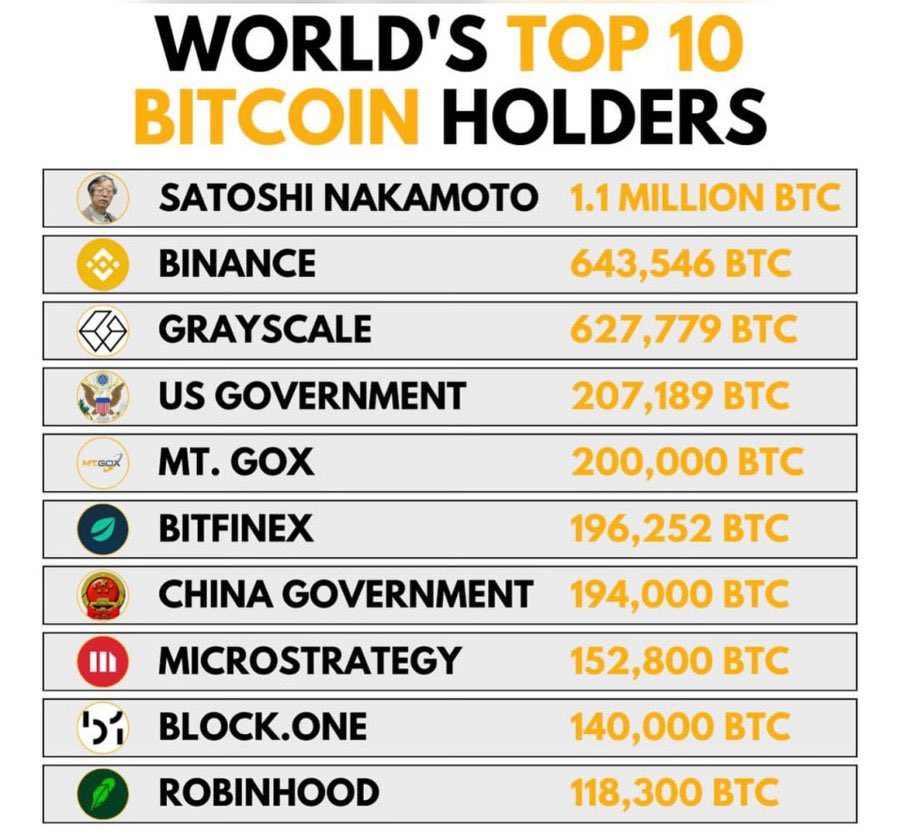
Cryptocurrency, when a niche interest for technology enthusiasts and libertarians, has evolved right into a global economic phenomenon with a quickly increasing user base. Figuring out the precise variety of individuals who Holds most bitcoins worldwide have cryptocurrency is testing due to the pseudonymous nature of blockchain deals and the fragmentation of information throughout countless exchanges and budgets. By synthesizing data from numerous studies, on-chain analytics, and exchange records, we can build an in-depth photo of worldwide cryptocurrency adoption and possession.
Existing Worldwide Ownership Estimates
Since 2024, trustworthy quotes suggest that the variety of individuals that own some form of cryptocurrency varieties from 420 million to over 580 million around the world. This represents around 5% to 7% of the globe's total population. This figure has seen exponential development from a simple 5 million individuals in 2016. The most substantial motorist of this adoption was the 2017 bull run, which brought Bitcoin and various other electronic possessions right into the public awareness. A succeeding, also bigger wave of fostering occurred during the 2020-2021 market cycle, fueled by institutional investment, the rise of Decentralized Finance (DeFi), and non-fungible symbols (NFTs).
The most commonly had cryptocurrency continues to be Bitcoin (BTC), usually working as the entrance factor for brand-new customers. Ethereum (ETH) follows as a strong 2nd, treasured for its clever contract functionality which powers the vast majority of the DeFi and NFT ecosystems. Ownership of various other "altcoins" is additionally prevalent, though typically in combination with BTC or ETH holdings.
Demographic Break Down of Crypto Owners
The account of the average cryptocurrency owner is ending up being progressively varied, though distinct market patterns continue.
Geographical Circulation: Fostering is not consistent around the world. Creating nations, especially those with unstable nationwide currencies or limiting funding controls, often reveal greater prices of fostering. According to the 2023 Global Crypto Fostering Index by Chainalysis, nations like Vietnam, the Philippines, Ukraine, and India lead in grassroots fostering. In these areas, cryptocurrency is often used for compensations and as a shop of worth to hedge versus inflation. In comparison, created nations like the USA, the UK, and South Korea show high degrees of institutional financial investment and trading volume, albeit with a somewhat lower infiltration rate relative to their populace.
Age and Sex: Ownership is heavily manipulated in the direction of younger generations. Studies continually reveal that Millennials (birthed 1981-1996) and Gen Z (birthed 1997-2012) are one of the most significant cohorts of crypto owners. This group is commonly a lot more tech-savvy, disillusioned with standard financial systems, and has a greater threat tolerance. A substantial gender gap still exists, with men being about two times as most likely as females to possess cryptocurrency. This void is slowly tightening as the ecosystem develops and becomes extra accessible.
- Motivations for Possession: The reasons for having cryptocurrency are multifaceted. They can be extensively classified into:
- Investment and Conjecture: The main chauffeur for a bulk of proprietors is the potential for high returns.
- Technical Belief: A substantial section of individuals, particularly early adopters, are driven by a belief in the underlying blockchain modern technology and how many americans hold crypto its possible to interfere with typical systems.
- Use-Case Energy: An expanding number of individuals hold crypto to join specific communities, such as making use of Ethereum for DeFi procedures or acquiring NFTs, or utilizing stablecoins for affordable and quick cross-border settlements.
Showing up at an accurate number of crypto owners is complex. Secret methods include:
- Exchange Customer Counts: Summing the signed up individuals of major central exchanges (e.g., Binance, Coinbase). This frequently results in overcounting, as one individual can have numerous accounts.
- On-Chain Evaluation: Assessing unique energetic pocketbook addresses. This approach tends to undercount, as one person can regulate numerous purses, and a single pocketbook can be utilized by several people (e.g., an exchange's warm wallet).
- Study Information: Organizations like TripleA, Gemini, and the World Economic Discussion forum conduct global surveys to estimate ownership. This is taken into consideration among the a lot more trustworthy approaches, though it undergoes sampling errors and self-reporting predispositions.
Future Estimates and Concluding Thoughts
The trajectory of cryptocurrency ownership points towards continued development. Projections suggest that the worldwide crypto-owning population could reach one billion by the end of 2025. A number of elements will certainly fuel this growth: the growth of regulatory frameworks, which will raise institutional and retail capitalist confidence; the assimilation of blockchain technology into traditional financing (TradFi); and the advancement of even more easy to use user interfaces that reduced the technological barrier to entrance.
Finally, while the specific number is liquid, it is indisputable that cryptocurrency possession has actually relocated from the edges to the mainstream. With an approximated 5-7% of the international populace already participating, and with strong demographic and technological tailwinds, the following billion users are on the perspective. The narrative is changing from one of pure supposition to one of utility, economic inclusion, and technical transformation, marking a considerable chapter in the advancement of international financing.
Figuring out the precise number of individuals that own cryptocurrency is challenging due to the pseudonymous nature of blockchain transactions and the fragmentation of information across numerous exchanges and pocketbooks. As of 2024, trustworthy price quotes recommend that the number of people that own some form of cryptocurrency varieties from 420 million to over 580 million internationally. The most extensively had cryptocurrency stays Bitcoin (BTC), usually offering as the entrance factor for brand-new customers. The trajectory of cryptocurrency possession factors towards continued development. In final thought, while the exact figure is liquid, it is obvious that cryptocurrency ownership has relocated from the fringes to the mainstream.
댓글목록0
댓글 포인트 안내